Corporate Sound Sessions for Deep Rest, Better Performance, and Employee Well Being
Work can keep the body alert long after the meeting ends. Tight shoulders, shallow breathing, mental noise, and the steady pull of notifications all tell the nervous system to stay “on.” Over time, that state can drain focus, patience, creativity, and morale.
Corporate sound sessions offer a simple counterpoint: structured time for deep rest. Instead of asking employees to relax on command, these sessions use sound, breath, and guided attention to help the body shift into a calmer state.
For leaders looking at employee well being with fresh eyes, this practice is gaining interest because it is low-friction, inclusive when designed well, and easy to fit into the workday. A 30-minute session can feel very different from another wellness webinar. It gives people a direct experience of rest.

What corporate sound sessions are and why they work
A corporate sound session is a guided relaxation experience built around sound. A trained facilitator may use singing bowls, chimes, gongs, tuning forks, voice, soft percussion, recorded ambient tones, or guided meditation.
The format can vary, but the goal is usually the same: help participants slow down, release tension, and rest more deeply than they might during a normal break.
A typical session may include:
A short welcome and grounding exercise
A few minutes of slow breathing
A guided body scan or meditation
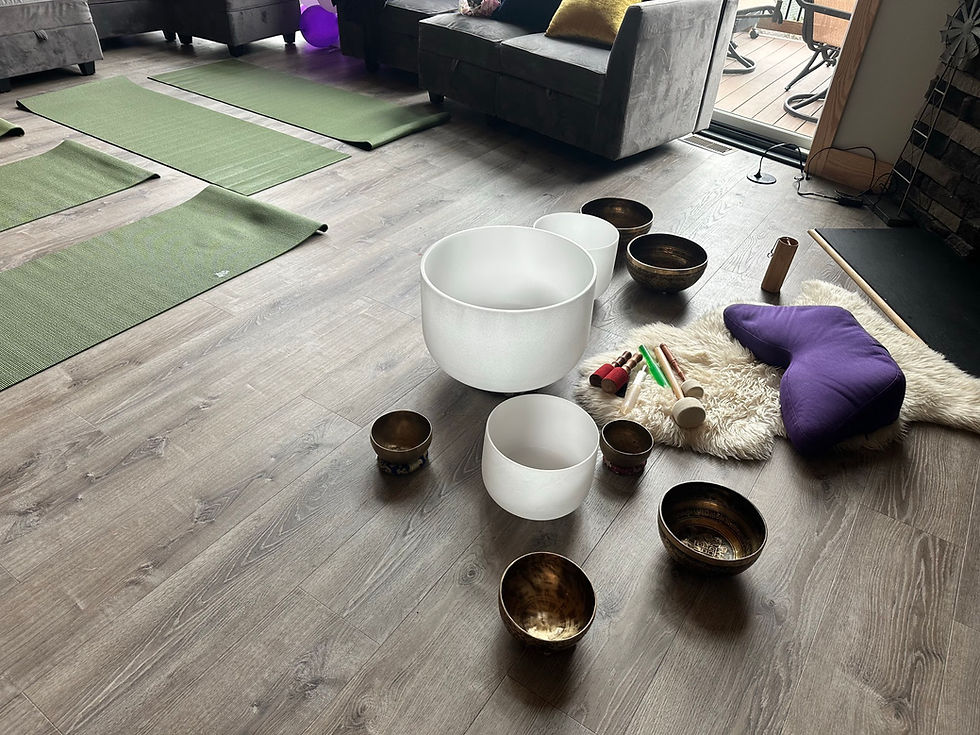
A sound bath using instruments such as crystal bowls or chimes
A quiet closing period before people return to work
The effect comes from several simple elements working together.
Repetition helps attention settle. Gentle, sustained tones give the mind something steady to follow. That can reduce mental chatter without requiring effort.
Rhythm supports slower breathing. When a facilitator guides breath with a calm voice or steady sound, people often begin to breathe more slowly and comfortably.
Stillness gives the body permission to rest. Many employees are used to filling every pause. A guided session creates a clear container where rest is the task.
Sound can bypass overthinking. Some people struggle with silent meditation because their thoughts feel too loud. Sound gives them a softer way in.
This does not mean sound sessions are medical treatment. They should not be presented as a cure for stress, anxiety, burnout, or sleep problems. The value is more practical: they offer a reliable pause, a way to downshift, and a shared culture cue that rest is allowed.
How deep rest supports employee performance
Deep rest is not a luxury item. It is part of how people sustain good work.
When employees move through the day without real recovery, small problems feel larger. Tasks take longer. Communication gets sharper. Decision-making can become reactive. People may still appear busy, but the quality of attention often drops.
Corporate Sound Sessions can support performance because they address the state people are working from, not just the tasks on their list.
Better focus after a reset
A short rest practice can help people return to work with less mental clutter. The session itself does not finish the report, solve the hiring issue, or answer the tough client question. It creates better conditions for clear attention.
This matters most in roles that require:
Detailed thinking
Creative problem-solving
Customer care
Conflict management
Long stretches of screen-based work
High emotional control
After a well-led session, employees often describe feeling more present, less scattered, and more able to choose what deserves attention next.
Lower tension during demanding periods
Busy seasons are not always avoidable. Product launches, audits, client deadlines, and staffing gaps can create pressure. The question is whether teams have recovery built into the rhythm of the work.
Sound sessions can act as a pressure valve. They give people a way to calm the body before tension becomes the default setting.
Even brief recovery windows can help reduce the sense of being trapped in nonstop urgency. That shift can improve patience, listening, and collaboration.
Better mood and team climate
Relaxation is personal, but it affects the group. When people feel overloaded, they may withdraw or react quickly. When they feel rested, they tend to have more room for care, humor, and clear communication.
A shared sound session can also create a rare moment of equality. Job titles matter less when everyone is lying down, breathing, and listening. That quiet shared experience can soften the tone of a team without forcing people into awkward bonding exercises.
Support for sustainable productivity
Many workplace wellness efforts focus on behavior outside work: sleep more, exercise more, take vacation. Those things matter, but they can sound like one more assignment.
A sound session happens inside the workday. That sends a different message.
It says recovery is part of performance, not a reward after all the work is done. For companies trying to reduce burnout risk and retain talent, that message can carry real weight.
Common sound techniques used in workplace sessions
The best technique depends on the group, setting, time available, and accessibility needs. A skilled facilitator will adjust the session so it feels safe, welcoming, and appropriate for the workplace.

Sound baths
A sound bath is an immersive listening experience. Participants usually sit or lie down while a facilitator plays resonant instruments such as crystal singing bowls, gongs, chimes, or soft percussion.
The word “bath” refers to being surrounded by sound. Participants do not need to do anything except listen and rest.
For corporate groups, sound baths often work well when:
The session lasts 30 to 45 minutes
The room is quiet and comfortable
People can close their eyes if they choose
The facilitator keeps volume levels appropriate
Participants have the option to sit instead of lie down
Sound baths can be especially helpful for people who find silent meditation difficult. The sound gives the mind a place to land.
Guided meditation with sound
Guided meditation adds spoken direction. The facilitator may guide participants through breathing, body awareness, visualization, or a simple reflection.
Sound can be used underneath the guidance or between spoken sections. For example, a facilitator might begin with three soft chime tones, lead a body scan, then allow several minutes of quiet sound.
This format can feel accessible in a workplace because people are not left wondering what to do. The voice provides structure, while the sound supports rest.
Breathwork with gentle tones
Some sessions use slow breathing patterns paired with sound. The facilitator may invite participants to inhale for a count, exhale for a count, and listen for a tone as a cue.
For corporate settings, breathwork should stay gentle. Strong or intense breath practices may not suit every person and can feel uncomfortable in a group setting. Simple breathing, such as longer exhales or natural belly breathing, is usually a better fit.
Mindful listening
Mindful listening is one of the simplest practices. The facilitator plays a sound and asks participants to notice the beginning, middle, and end of the tone. They may also listen for nearby sounds without judging them.
This can be useful for short sessions of 10 to 15 minutes. It teaches attention in a direct, low-pressure way.
Restorative rest with music
Some corporate sessions use carefully selected ambient music rather than live instruments. This can work well for remote teams or hybrid groups. The key is to choose music without distracting lyrics, sudden changes, or strong emotional cues.
For virtual sessions, headphones can improve the experience. Facilitators should also give clear instructions before the session starts, such as silencing notifications and choosing a safe place to sit or lie down.
What companies report after trying sound sessions
Because many workplace sound programs are private, public data is limited. Still, wellness facilitators and HR teams often share similar patterns after introducing these sessions.
The following anonymized examples show how companies commonly use the practice and what they tend to notice.
A software team used sessions after sprint deadlines
One mid-sized software company introduced 25-minute sound baths after major sprint reviews. The goal was not to add another perk. Leaders wanted to help developers and product teams come down from the intensity of deadline cycles.
Employees did not all respond the same way. Some loved the sessions right away. Others were skeptical and sat near the back for the first few rounds. After several months, the company found that attendance stayed steady because people liked having a predictable recovery point.
Common feedback included feeling calmer before returning to problem-solving and appreciating a break that did not involve screens.
The lesson: sound sessions work best when they are tied to real work rhythms. Placing them after intense work periods can make the value obvious.
A customer support group used guided sound meditations between shifts
A customer support department faced emotional fatigue from handling back-to-back calls. The company tested short guided meditations with chimes during shift transitions.
The sessions were only 12 minutes. Participants stayed seated, which made the practice easy to join. The facilitator focused on breathing, relaxing the jaw and shoulders, and letting go of the previous call before starting the next block.
Managers reported that employees viewed the sessions as respectful of their time. They were short, practical, and relevant to the stress of the role.
The lesson: shorter sessions can still help when they are specific to the team’s needs.
A leadership group used sound sessions during an offsite retreat
A leadership team added a sound bath to a retreat focused on planning and culture. At first, the session felt unusual to some participants. By the end, several said it was the first quiet moment they had taken in weeks.
The facilitator placed the session before a strategy conversation, not after. That choice changed the tone of the discussion. Participants entered the room more settled, less rushed, and more willing to listen.
The lesson: deep rest can improve the quality of conversation, especially when decisions require patience and perspective.
What testimonials often sound like
When companies collect informal feedback, comments tend to cluster around a few themes:
“I didn’t realize how tense I was until I stopped.”
“It was easier than trying to meditate on my own.”
“I came back to my work with a clearer head.”
“I felt more human after that break.”
“I liked that I did not have to perform or talk.”
These are not clinical outcomes. They are human responses to being given time, space, and support to rest.
How to introduce sound sessions without making them feel forced
The success of a corporate sound program depends less on the novelty of the instruments and more on the care put into the experience.
Start with a pilot. A four to six week trial gives people time to try the practice without turning it into a big initiative. Offer sessions at different times if possible, since work schedules vary.
Make participation optional. Rest cannot be forced. People should feel free to attend, skip, sit quietly, or leave if needed.
Choose the right facilitator. Look for someone who understands workplace settings, trauma-sensitive guidance, and accessibility. They should explain what will happen, keep language grounded, and avoid making exaggerated claims.
Prepare the space. The room should be quiet, comfortable, and free from interruptions. Provide chairs as well as mats if the session involves lying down. Let people know they can bring layers, since the body may cool during rest.
For remote teams, give clear setup tips:
Use headphones if comfortable
Turn off alerts
Sit or lie somewhere safe
Keep the camera optional
Avoid joining while driving or multitasking
Set expectations with plain language. A good invitation might say:
Join a 30-minute guided sound rest session designed to help you pause, breathe, and reset. No experience is needed, and participation is optional.
That wording is clear, respectful, and low-pressure.
It also helps to place sessions where they make sense. Good moments include after busy project cycles, during wellness weeks, before team planning days, or as a regular monthly reset.
The real value is permission to rest
Corporate sound sessions are not a fix for poor workloads, unclear leadership, or unhealthy culture. If employees are overloaded every day, a singing bowl will not solve the root problem.
But when used honestly, sound sessions can become a meaningful part of a healthier workplace. They make rest visible. They give employees a tool for settling their minds and bodies. They remind leaders that performance depends on recovery as much as effort.
The strongest case for sound sessions is simple: people do better work when they are not running on empty.
For corporate leaders, the next step does not need to be complicated. Try one well-facilitated session. Ask for feedback. Notice how people return to the room, the call, or the task afterward.
Deep rest may be quiet, but its effects can be felt across the whole workday.


Comments